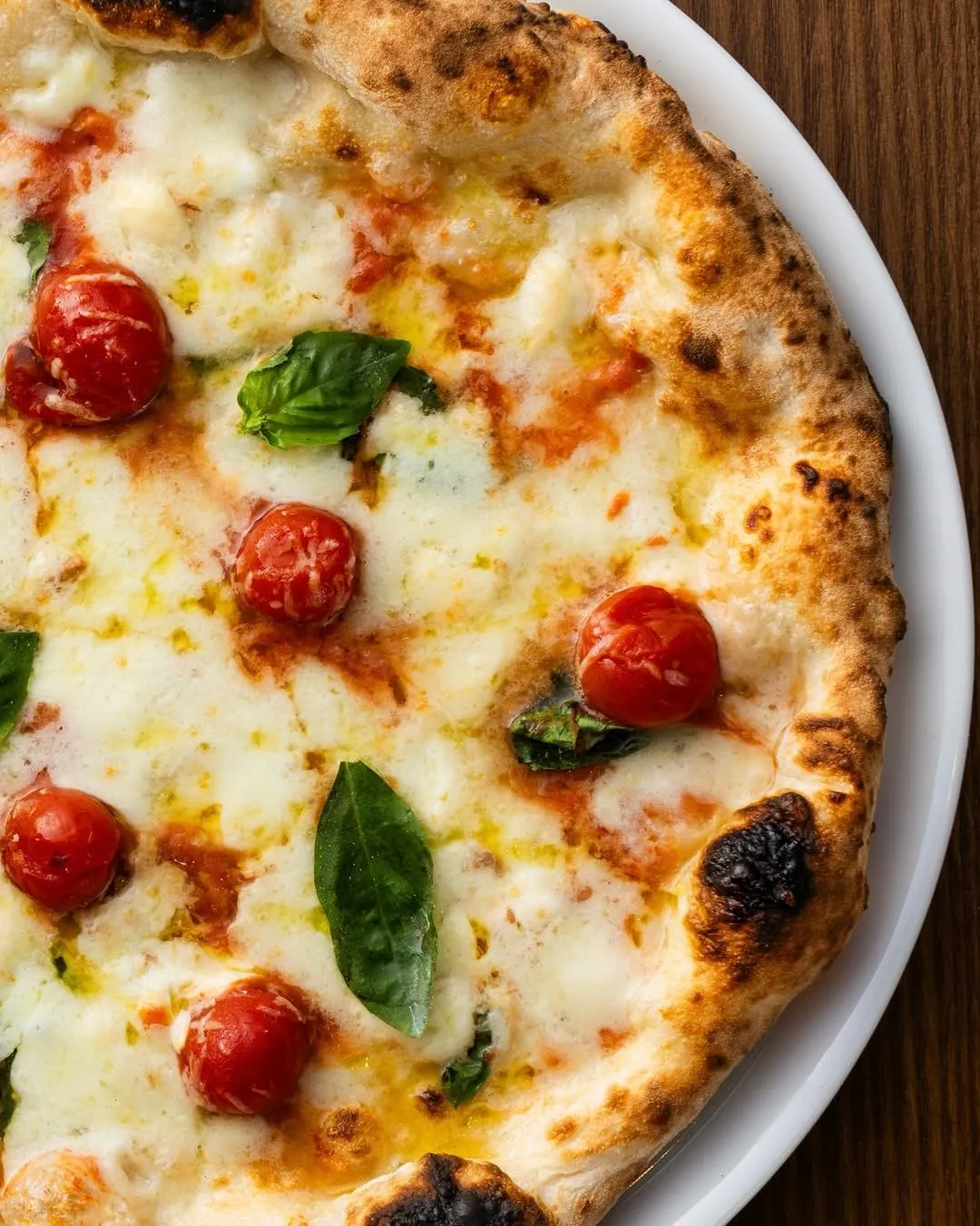
Bangkok imports its pizza from three continents at once. Does that add up to a pizza culture of its own?
Thailand · 6 spots selected · last checked 2026-09-19
Bangkok is an import city, and it is the most interesting import city in this guide, because it imports from everywhere and then changes what arrives.
Four lineages run here in parallel: a Neapolitan family line through Bella Napoli and Starita, an American slice line at Soho, a French-Mediterranean line at Massilia, and — since January 2025 — a Japanese one, Pizza Studio Tamaki's first branch outside Japan, on an oven built for it with materials shipped from Tokyo. No source found describes a Thai-origin pizza form or any local terminology for one.
What separates Bangkok from Beijing or Gurugram is that the localisation reaches past garnish. Thai sausage and chilli are worked into the pizza itself in several houses rather than offered beside it. That is a real thing to record and it is still not a form: nobody has named it, nobody asks for it by a Thai name, and this guide does not name it on their behalf.
Bangkok's case is depth without origin — a genuinely varied field, several traditions deep, none of them from here. Against a city like Naples it will score where it should, and against a city with one imported tradition and twenty restaurants it should score better. Whether the Index actually does that is the test Bangkok is here to apply.
Head pizzaiolo Michele Fernando, from Salerno, works under owner Luca Appino on a Neapolitan-inspired dough, naturally leavened over 72 hours and baked in one of two wood ovens. Massilia is the clearest Bangkok example of a named maker working a local ingredient into the pizza itself rather than as a novelty: sai oua (Thai sausage), Chonburi pineapple and Thai caramelized chili and sriracha appear on the menu alongside DOP Italian imports.
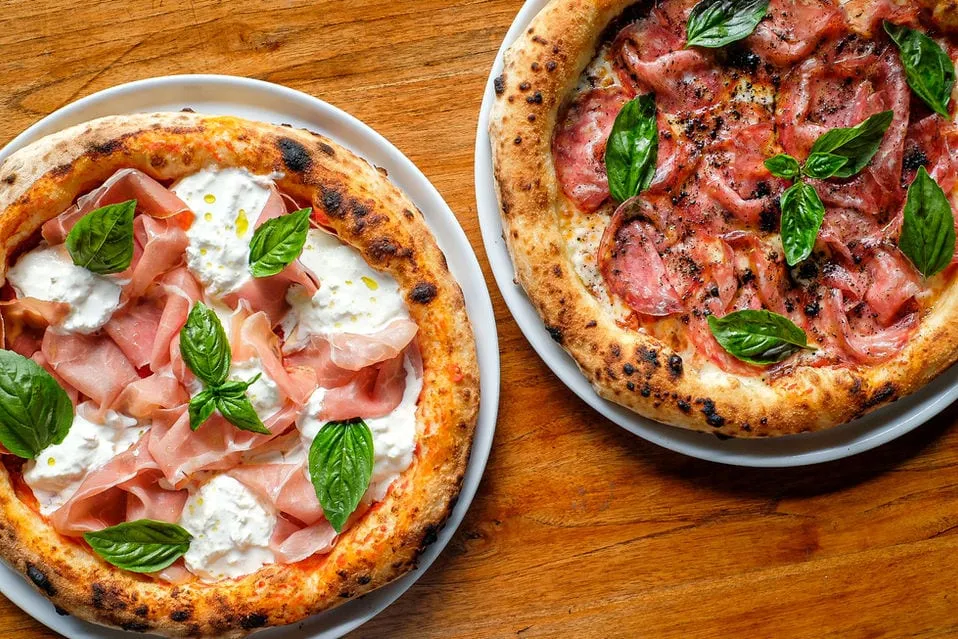
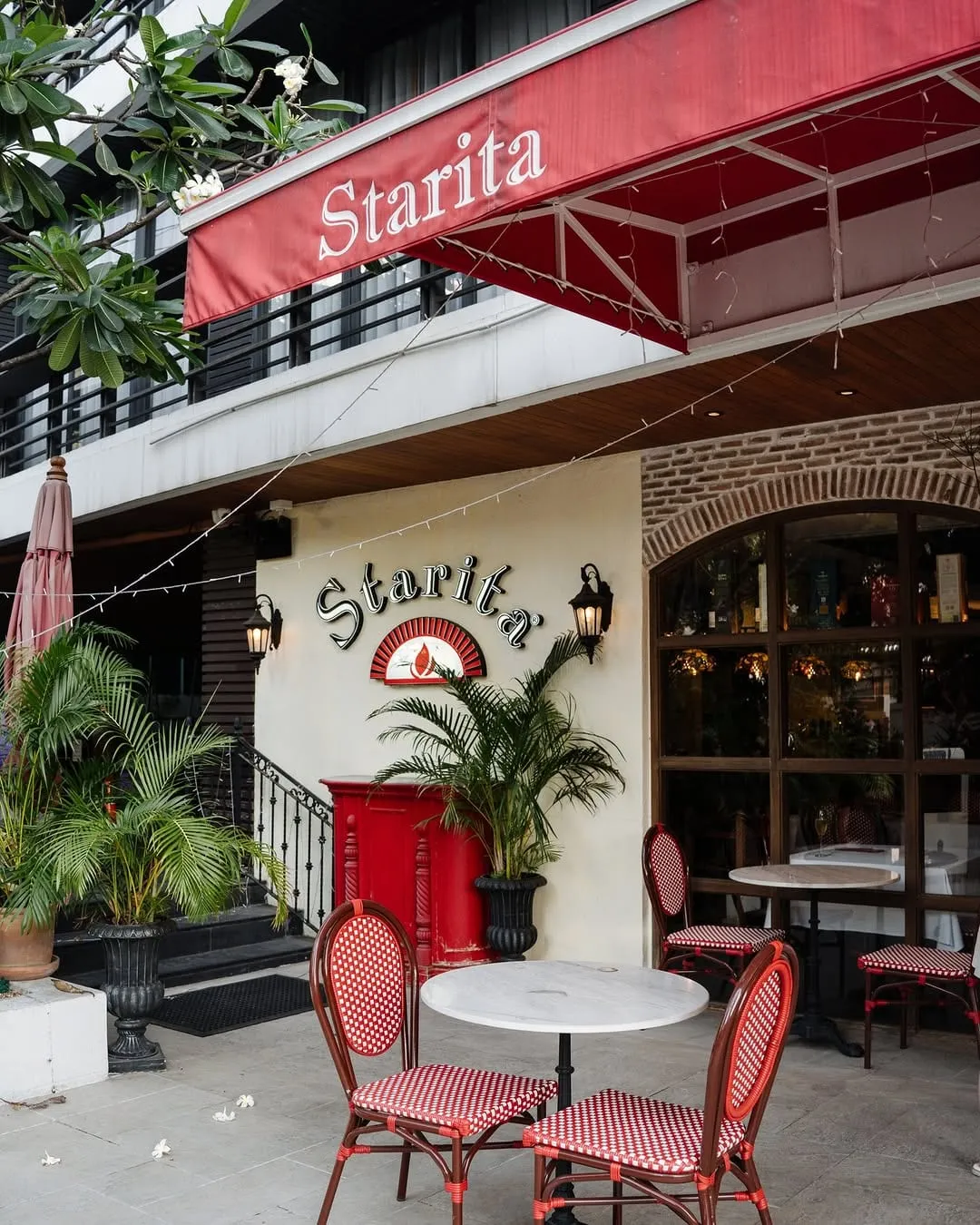
Starita Bangkok is the first branch outside Italy, and the first in Asia, of Pizzeria Starita, a 124-year-old Naples house now led by Don Antonio Starita; the Bangkok branch requires its pizzaioli to be Naples-trained and mixes dough water to match Naples' own mineral profile. It also carries Starita's own historic invention, the fried-then-oven-finished Montanara, onto a Bangkok menu otherwise built around imported Italian ingredients.
Soho Pizza brought a by-the-slice New York format to a Bangkok street-food strip, with its dough program designed and its team trained by Anthony Falco, a nine-year veteran of Brooklyn's Roberta's. The fermentation is 48 hours and natural, and the by-the-slice format separates it from Bangkok's earlier New York pizza entrants.
Peppina holds AVPN membership number 586 and is the founding location of the clearest Neapolitan programme in Bangkok, with ovens built in Naples and shipped to Thailand. Its own pizzaiolo Thanwa Seesaed -- a Thai who grew up and trained in Naples -- gives the kitchen an unusual, verifiable Naples-to-Bangkok lineage running the other direction from most of the city's Italian imports.
Bella Napoli's own landlord, ISF Group, dates the business to 2001, making it one of the longer-running wood-fired pizza addresses in Bangkok; both sources I opened independently confirm the wood-fired oven, though neither names an individual pizzaiolo. It is a useful counterweight to the newer, more heavily marketed Bangkok pizzerias: a family-owned, self-described trattoria that has simply kept its oven lit for two decades.
PST Bangkok, opened January 2025, is the first Thailand branch of Tokyo's Pizza Studio Tamaki, run by chef Tsubasa Tamaki, who by his own account never trained in Italy. The dough is fermented 30 hours and the oven was purpose-built with Japanese materials by the Tokyo team to replicate the original as closely as possible, making this a case of a deliberately engineered, non-traditional dough programme rather than an inherited regional style, which is why it is filed as pizza contemporanea rather than neapolitan.