Turin's pizza al padellino has been eaten in the city for over a century and appears to have arrived from somewhere else. Which fact matters more?
Italy · 6 spots selected · last checked 2026-09-19
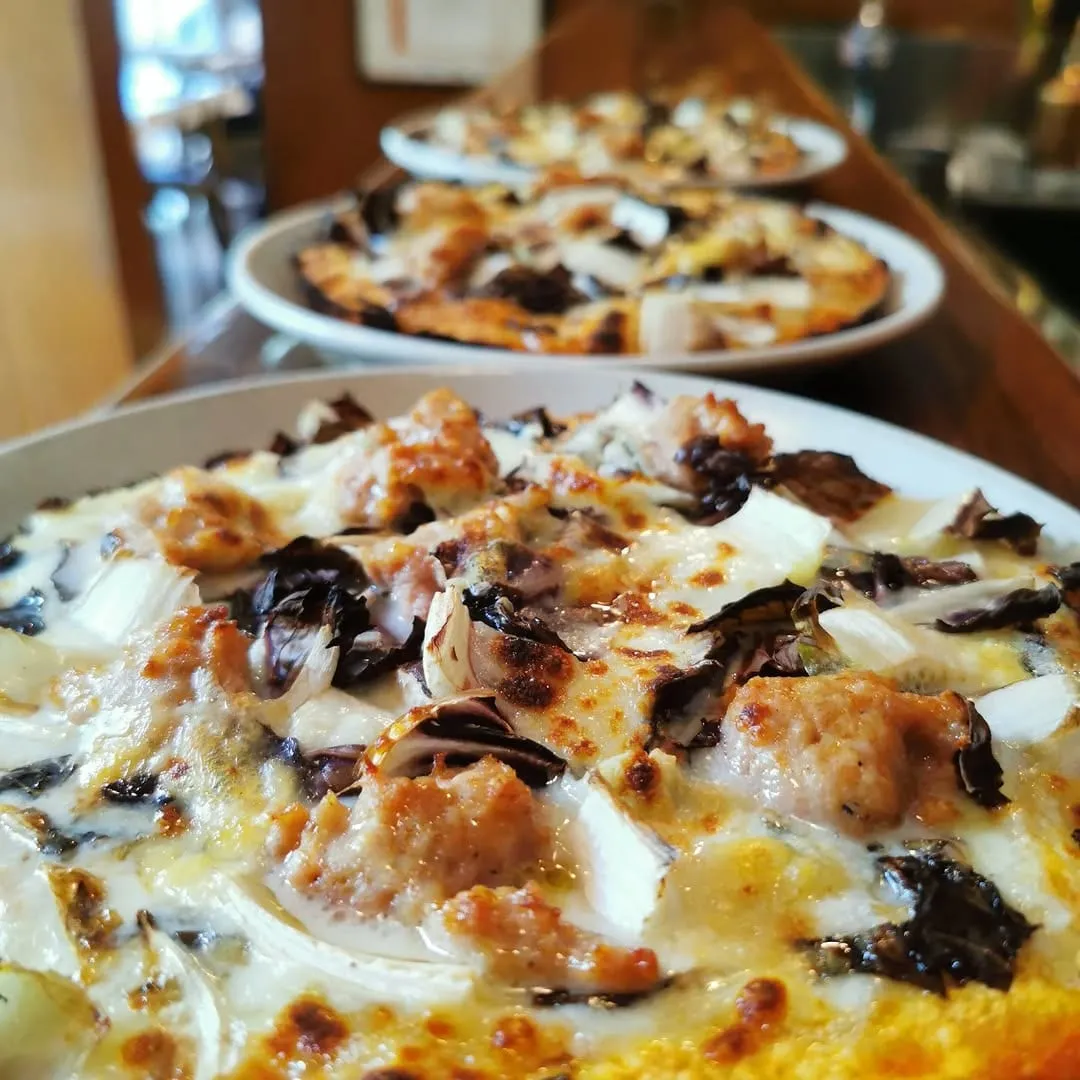
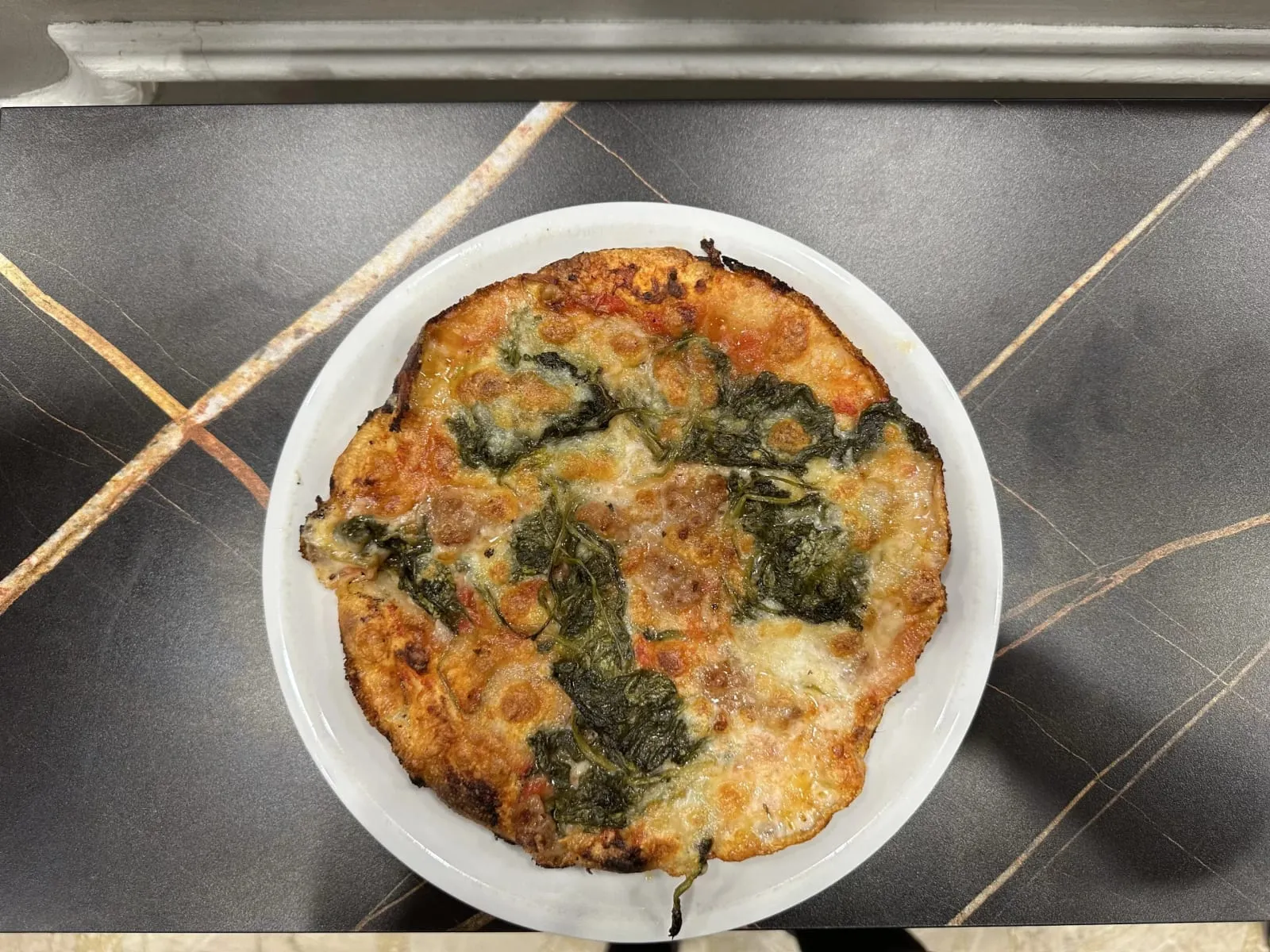
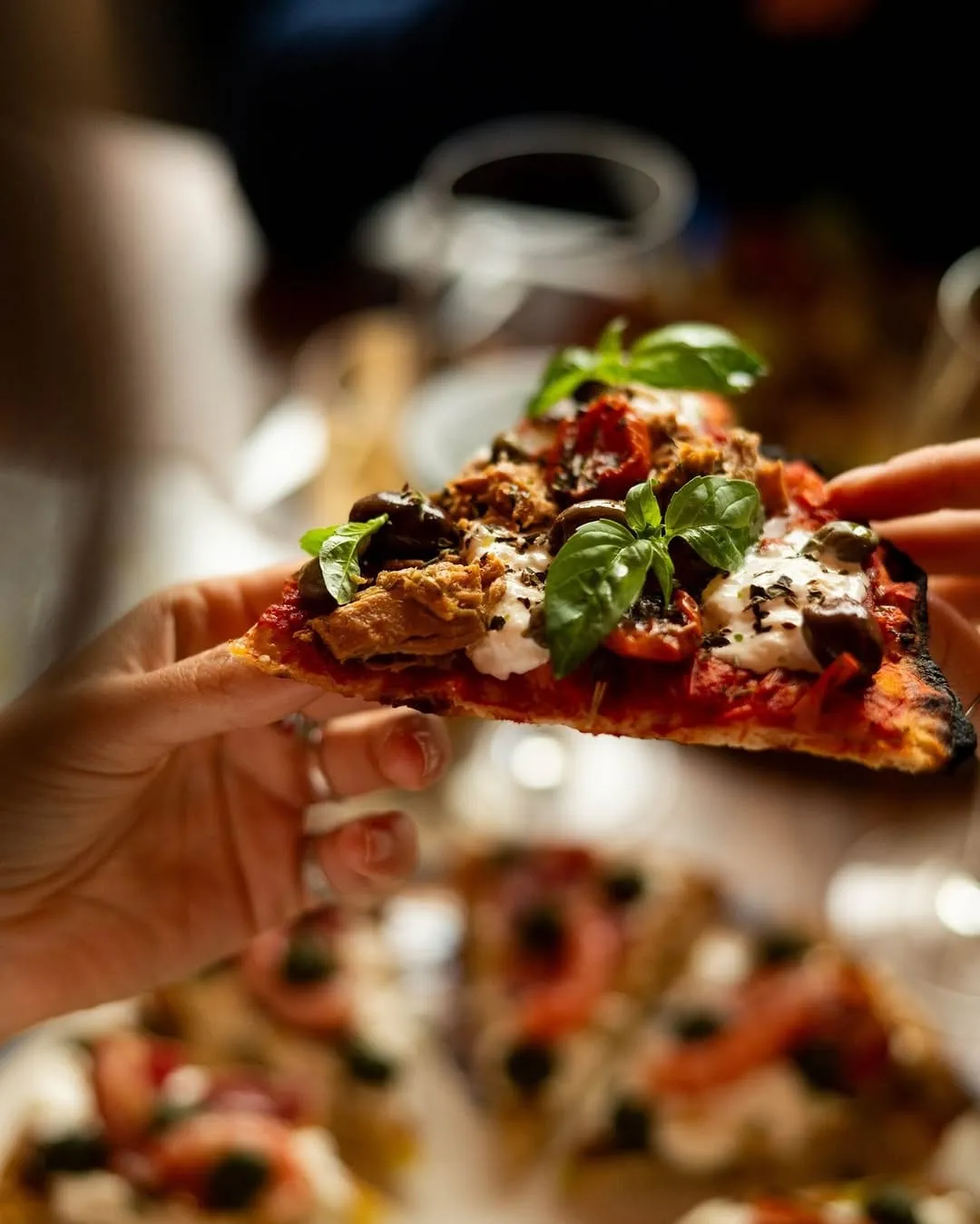
Turin has pizza al padellino — a thick, small pizza baked in an individual metal pan, called tegamino as often as padellino, eaten in the city since the early 1900s and consecrated locally in the 1960s. It is still made across at least a dozen addresses. Three of the six records here make it: Padellino & Farinata, Cit Ma Bon and Pizzeria Mandis, the last two wood-fired and both older than most of this guide's cohort.
The form is not a Turinese invention in the strict sense. It appears to have arrived with Tuscan and Ligurian pizzaioli from around Altopascio. It has been Turin's own eaten tradition for a century regardless, which is the test this guide applies rather than the question of who first had the idea. It sits among the great classics of Piedmontese tradition, and Andrea Merlini has been continuing work on it that he started years ago. The toppings follow the territory: Cit Ma Bon's Ciapinabò is anchovy, garlic and Jerusalem artichoke.
Turin is the reason the discipline enum carries padellino at all. The value was added because of these records, and it is the first one this guide added because its own research found the form rather than because a list named it. A guide that took its cohort from a pizzeria ranking would not see padellino, and would report Turin as a city with no pizza culture. That is exactly backwards, and saying so is most of what Turin is here to do.
Andrea Merlini runs a Turin house built specifically around pizza al padellino, the city's own thick pan pizza, alongside the related Ligurian farinata — the two forms that historically shared Turin's ovens. High-grade flours and territory ingredients back both the classic Piedmontese repertoire and Ligurian-leaning dishes like the Sardenaria padellino.
Open since 1974 at the foot of the Turin hill below the Basilica di Superga, Cit Ma Bon ('piccolo ma buono' in Piedmontese) cooks both farinata and pizza al tegamino in a wood-fired oven, with seasonal produce driving the daily toppings. The pizza to order is the Ciapinabo — anchovy, garlic, topinambur and mozzarella on the local pan base.
A family-run house in Barriera di Milano active since the 1970s, Pizzeria Mandis is named locally as one of the historic wood-fired addresses for both padellino and farinata, Turin's paired local specialities.
SestoGusto is built entirely around Massimiliano Prete's live sourdough (lievito madre), worked across several leavened formats — round pizza, alla pala, an eighth-cut 'Pizz'otto' — unified by an engineered lightness that is Prete's signature, dressed with gourmet combinations like whipped salt cod and Piedmont IGP hazelnut.
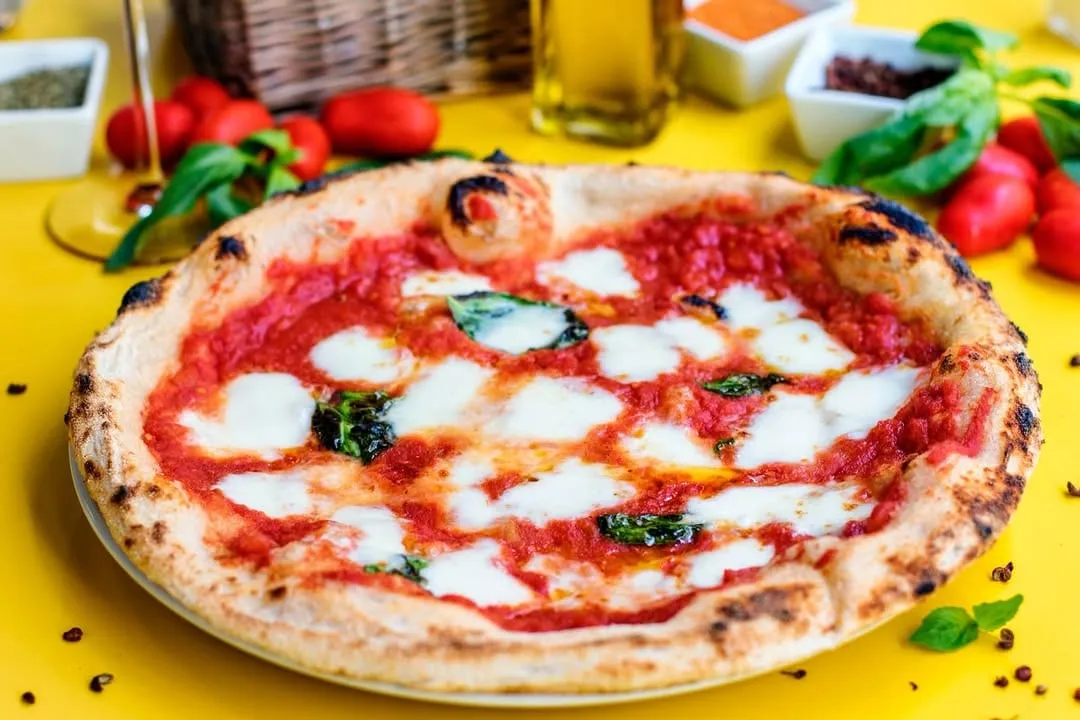
A team in their twenties revives the informality of Neapolitan street pizza in Turin under a name written to evoke Vesuvius. The press is explicit that the dough itself is traditional — made with a flour blend by pizzaiolo Eduardo Ore for Molino Colombo — with the house's invention confined entirely to playful topping combinations.
Running in Turin for more than ten years, Domenico Volgare fuses Mediterranean and Asian flavours onto pizza, giving classic round doughs up to 100 hours of fermentation and sourcing tomatoes, flour and oil from his family's Puglia farm. The menu also carries one pizza in the local padellino format (the KOOFFE Margherita, made with natural coffee fibre), engaging Turin's own pan-pizza tradition from a contemporary, fusion angle rather than the classic one.