Japan · 6 spots selected · last checked 2026-09-18
Tokyo holds two of the world's ten best pizzerias and did it by studying somebody else's tradition harder than almost anyone in it. The research found the city's own argument sitting in an older place than the rankings: Susumu Kakinuma, who opened in Nakameguro in 1995, describes ordering flour by sound and smell and having a Kumamoto mill build a domestic blend to his spec - Japanese wheat, Italian form, decades before the current wave. The counter-case is here too, and it is honest: the Pizza Bar on 38th is an undiluted reproduction of a Roman style, sourced almost entirely from Italy. Both belong in a city record that is trying to say what Tokyo actually does rather than what flatters it.
Population
9,796,723 (as of 2026-01-01)
Boundary
The 23 special wards. Not the whole of Tokyo Metropolis, and not Yokohama or Kawasaki.
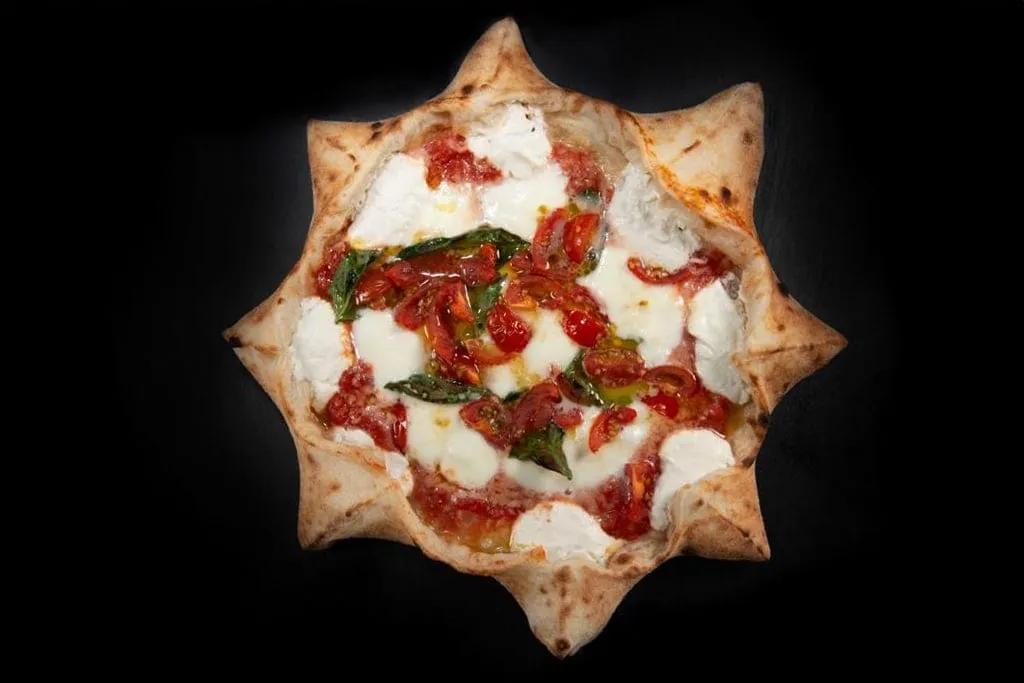
RistoPizza by Napoli sta ca is the Azabudai Hills flagship of Giuseppe "Peppe" Errichiello's Napoli Sta Ca group. The company's own site names Errichiello as representative and describes the restaurant as a deliberate ristorante-pizzeria hybrid built around seasonal Japanese and imported ingredients; the specific dough and oven at this location were not independently confirmed in an opened source, though the sister restaurant it was built from documents a Japanese-wheat/Caputo flour blend developed for this market.
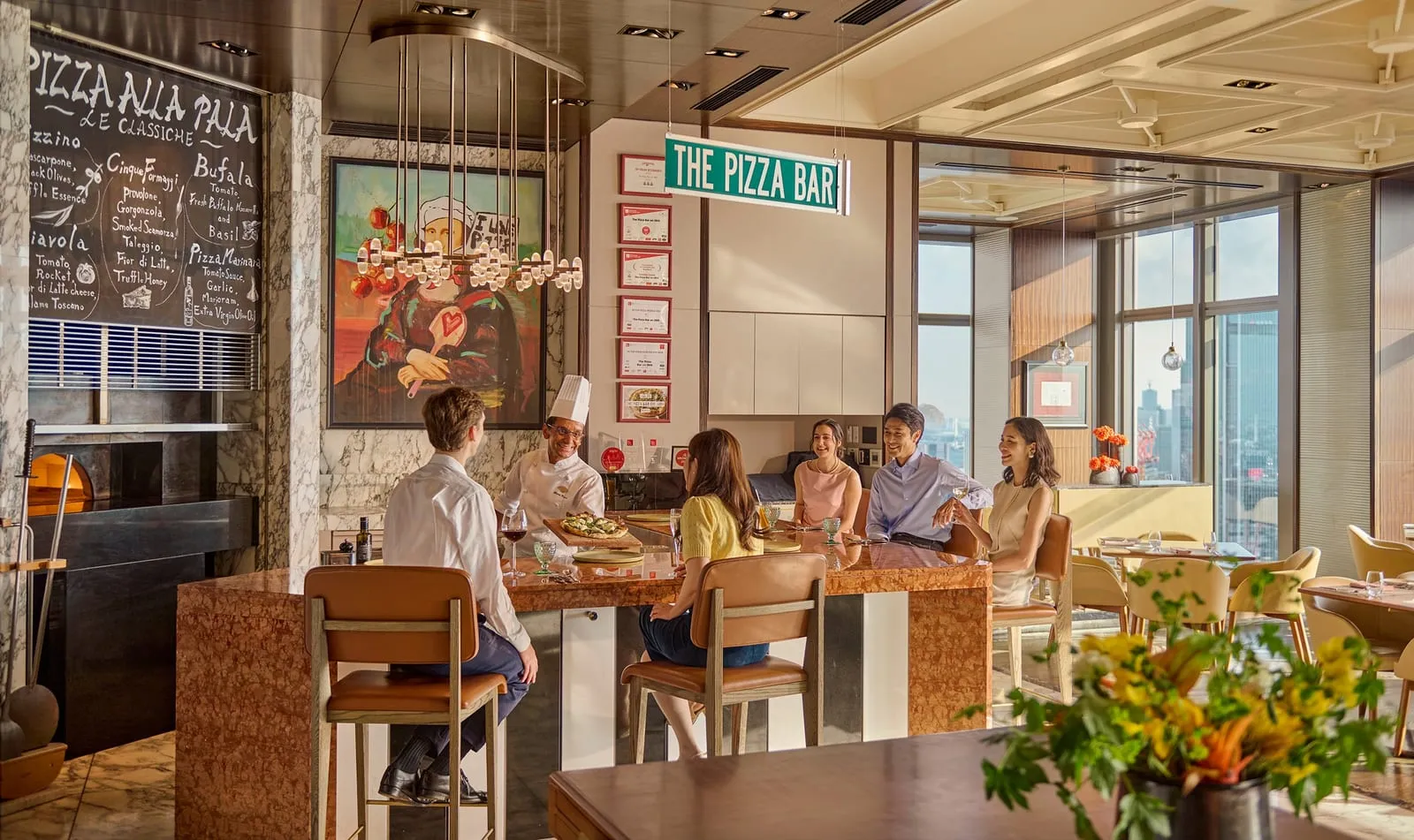
Executive chef Daniele Cason deliberately rejects the Neapolitan style in favour of Roman "alla pala" — organic Italian flour from Mulino Marino, 1g of yeast per kilo, 80% hydration, 48-hour fermentation — baked to order rather than reheated, and served from an eight-seat marble counter inside the Mandarin Oriental.
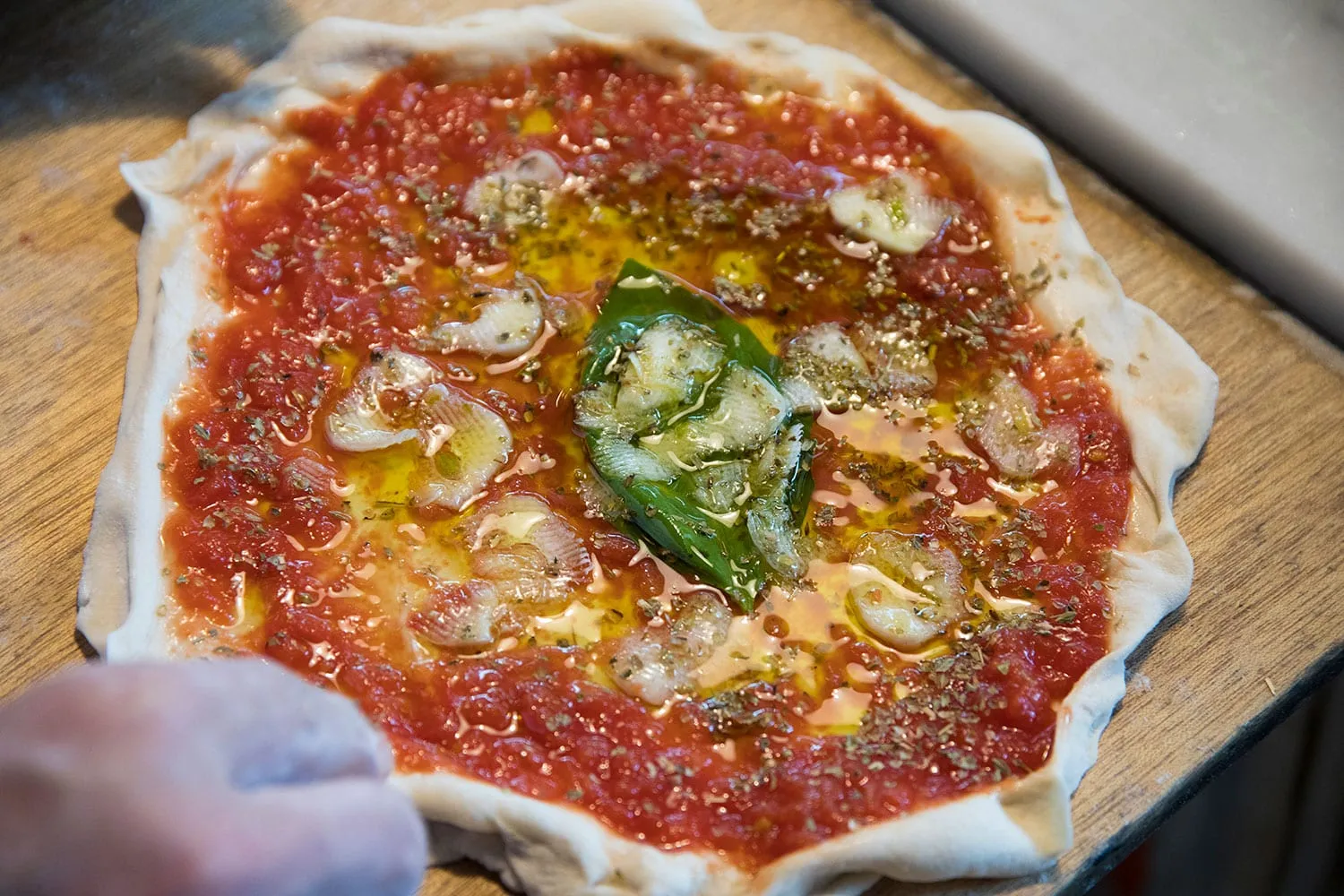
Kakinuma opened as Savoy in Nakameguro in 1995 after independently teaching himself Neapolitan pizza from travels in Italy, and renamed it Seirinkan in a 2007 renovation; the menu has stayed at exactly two pizzas, Margherita and Marinara, ever since. It is the clearest documented case in Tokyo of the city's stated thesis: Kakinuma switched from French flour at Savoy to a domestic Japanese flour blend, worked out with a Kumamoto miller to his own specification, because he judged the imported product would not give him the char and aroma he wanted — a deliberate rebuilding of the Neapolitan form around a Japanese ingredient, not a substitution made for cost or availability.
Minicucci, from Naples, apprenticed as a pizzaiolo from age 16, came to Japan in 1999 and spent over a decade as head pizzaiolo at Eifukucho's La Piccola Tavola before opening his own restaurant under his own first name. He built his own oven rather than buy one because, in his words, oven-builders only make fixed sizes, and made his deliberately smaller so the cornicione bakes light; he still bakes roughly 100 pizzas a day across a 39-pizza menu.
Owner Kenji Ota commissioned his oven from Stefano Ferrara — a craftsman he met during his own apprenticeship in Naples, who then travelled to Japan to build it for this restaurant — rather than buying a stock model, which is the kind of direct personal lineage this guide looks for.
Tamaki is a direct line of transmission through Tokyo's Neapolitan scene: he managed the Azabu-juban and Mishuku branches of Savoy — the brand Susumu Kakinuma of Seirinkan founded — then helped launch Pizza Strada in Azabu-juban as master pizzaiolo, where he devised the "Pizza Tamaki" that still carries his name, before opening this restaurant under his own name in Higashi-Azabu on 20 February 2017.