Copenhagen built a food culture out of local sourcing. Did the pizza follow, or is it an import like everyone else's?
Denmark · 5 spots selected · last checked 2026-09-19
Copenhagen is the strongest case in this guide for a city changing an imported form rather than simply receiving it, and it makes the case twice.
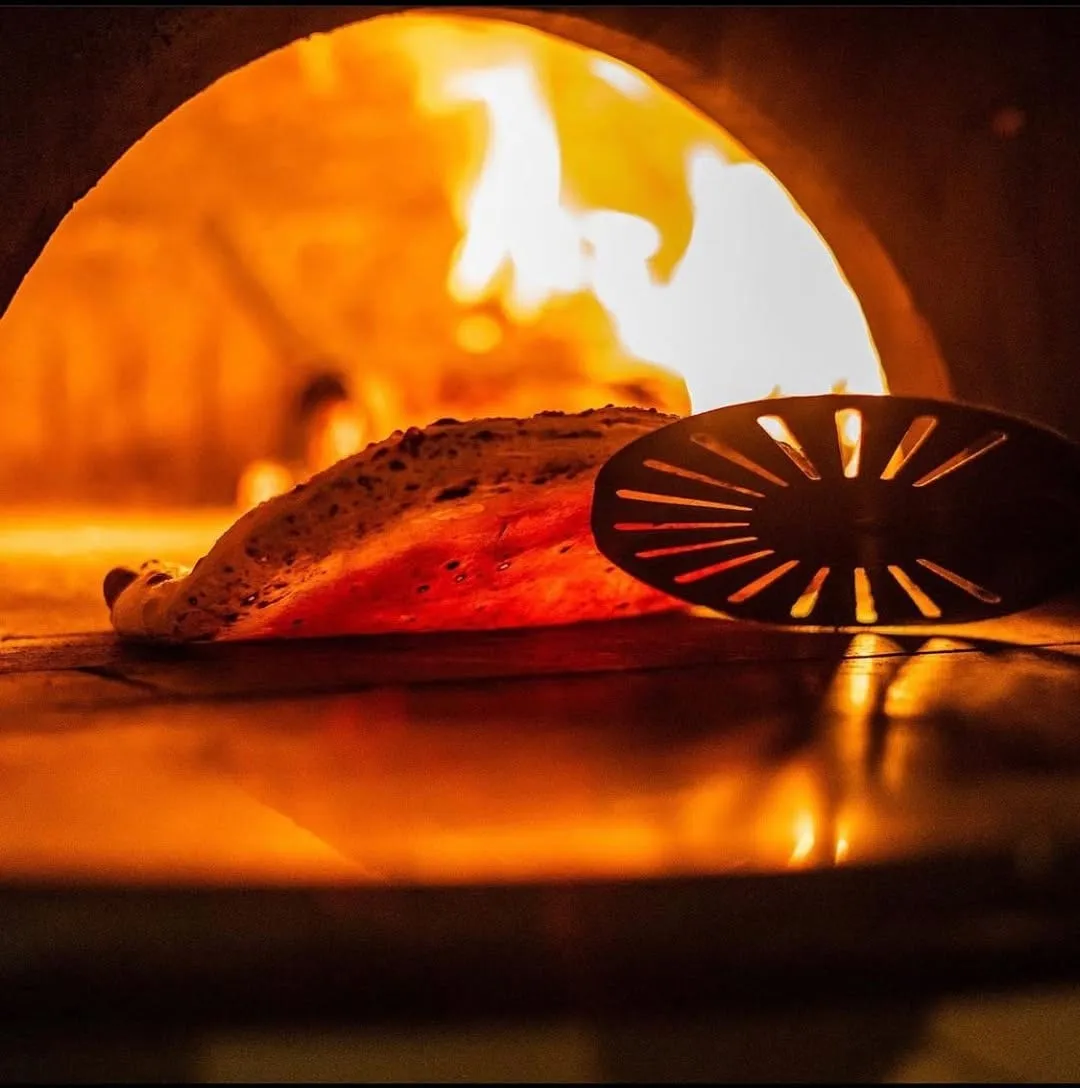
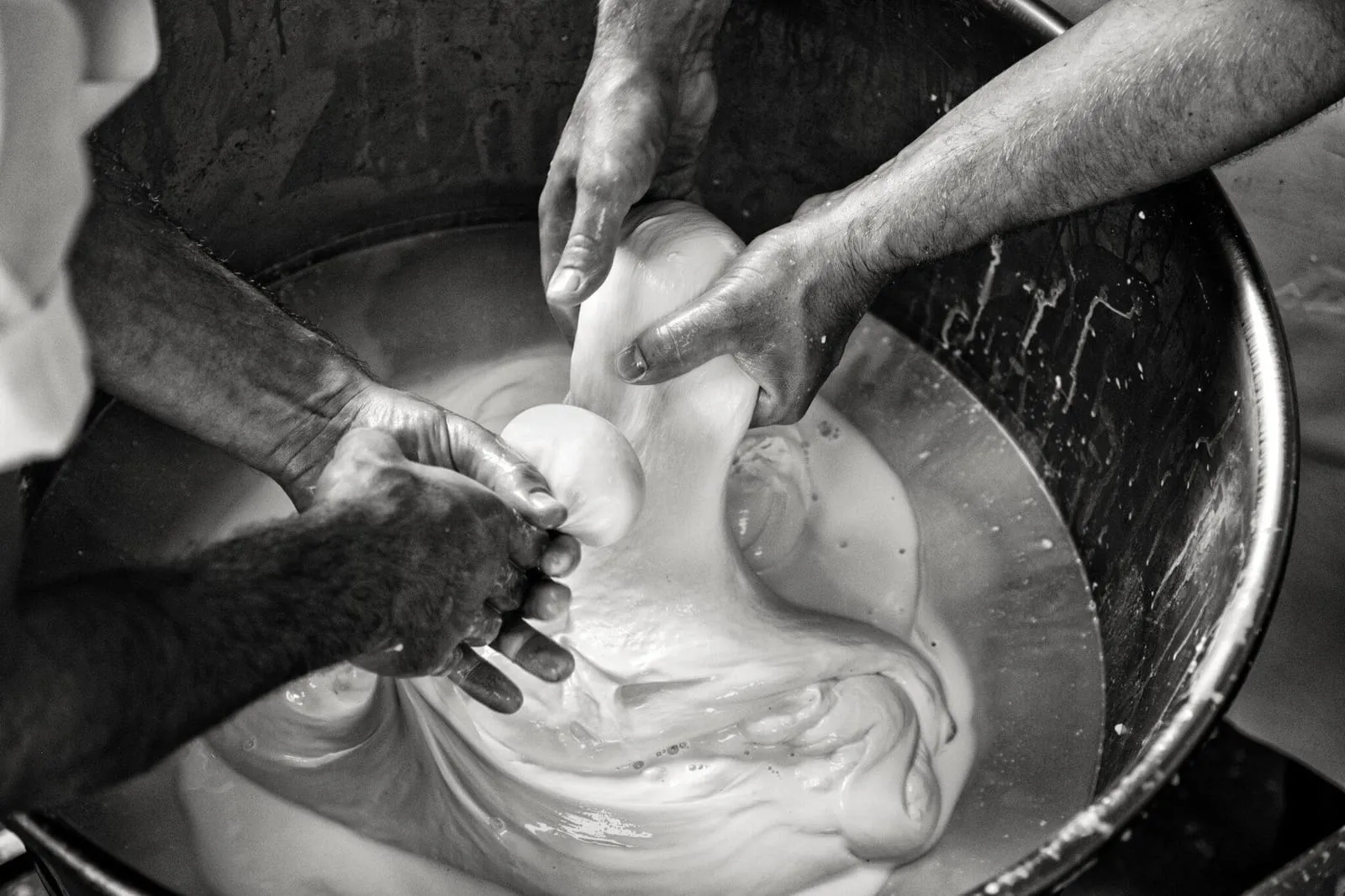
At SURT, Giuseppe Oliva — a fourth-generation baker whose family has baked since 1941 — built the restaurant around his own sourdough starter and, per a named Danish food journalist, five historic grain varieties, in a stone oven built on site by a named oven-builder. At BÆST, a working in-house micro-dairy turns biodynamic Danish milk into the mozzarella and stracciatella, alongside a salumeria, under Neapolitan-trained Matteo Martinenghi working a biga. Neither is orthodox Neapolitan reproduction and neither pretends to be.
This is not an indigenous form. Nobody in Copenhagen is making a pizza with its own name that a local would ask for by that name, and the distinctiveness dimension should not be told otherwise. What Copenhagen has is the New Nordic argument applied to someone else's dish — Danish grain, Danish milk, Danish farms, Italian technique — carried far enough that the result could not have been made anywhere else. That is a real answer to this guide's question and a different one from either Naples or Milan.
Both houses are filed as pizza contemporanea. Neither uses the term of itself, and that classification is this guide's editorial judgement rather than the makers' claim.
Population
666,678 (as of 2026-01-01)
Boundary
Københavns Kommune, plus Frederiksberg, which it encloses. Not the wider Hovedstaden region.
SURT is named for its own sourdough starter, 'Sure Dame', which pizzaiolo Giuseppe Oliva — a fourth-generation baker whose family has baked bread since 1941 and whose grandfather ran a watermill bakery for the Italian army — develops for wild yeast activity and deliberate sourness rather than speed. The base is built from five different historic grain varieties, and toppings come from small farms in Denmark and elsewhere in Europe rather than a fixed import list. That combination — an engineered sourdough culture, heritage grains, and a seasonal, farm-sourced topping list, built by a formally trained pizzaiolo who set aside the standard Neapolitan recipe — is the clearest case in this run of the 'pizza contemporanea' definition: dough science and gourmet, seasonal toppings breaking from received rules rather than reproducing them.
BÆST opened in 2014 as chef Christian Puglisi's tribute to his own Italian roots, and its pizza programme is built on a working micro-dairy and salumeria on the premises: mozzarella and stracciatella are made daily from biodynamic Danish cows' milk, and cured meats come from named Danish farms. Italian pizzaiolo Matteo Martinenghi, trained in the Neapolitan tradition, uses a biga pre-ferment on organic flour to build the dough. Puglisi stepped back from day-to-day ownership in February 2025, handing the restaurant to his business partner Ulrik Mikkelsen; it continues operating under the same programme.
mother was one of the first restaurants to open in Copenhagen's Meatpacking District in 2010, and its pizza is built on a self-described '100% natural and organic' sourdough culture baked in a wood-fired oven -- the same natural yeast, by its own account, that the restaurant uses to ferment two house beers with a nearby brewery. Owner David Biffani has kept the restaurant close to full since opening, and it opened a second location in the city centre in 2025, both inside the municipality boundary.
MaMeMi is run by two brothers and a cousin who grew up together near Rome and reunited in Copenhagen in 2014 to open it. Pizzaiolo Francesco Barletta makes what the restaurant calls its own interpretation of pizza tonda romana, thin and crisp, from a stated secret blend of five kinds of organic flour sourced from small Italian producers rather than a single named mill. The restaurant places its pizza second to its extensive natural and biodynamic Italian wine list, which the owners built by visiting the producers themselves.
Forno a Legna is a long-running Frederiksberg fixture -- inside the Copenhagen city boundary, which explicitly encloses Frederiksberg -- built around a stone oven fired at a stated 400°C and a 24-hour dough rise, using Italian ingredients across a 40-plus item menu. A local guide singles it out for its 'hvide pizzaer' (white pizzas, served without the usual tomato base) as its specialisation within a wider Neapolitan-style menu.