Catania's best-known fried pastries are not pizza and were not invented here. Does a city with its own small pizza and few ranked pizzerias count as a pizza city?
Italy · 3 spots selected · last checked 2026-10-23
Catania is the inverse of the cities in this guide that have recognised pizzerias and no form of their own: it has a form and almost no recognised pizzerias. One house sits in the national ranking's hundred and two more in the unranked tier; the region's weight sits in Palermo, which holds thirteen of the twenty-seven Sicilian names to Catania's two. The form is the pizzetta catanese — semola flour, tall and soft and faintly sweet, tomato, fiordilatte, oregano and one black olive in the middle. The description has not shifted in six years, down to the olive. It lives in the rosticceria rather than the pizzeria, which is where a guide has to be careful, because three of the things travel writing calls Catanese pizza are not pizza at all. The fried siciliana is a rosticceria calzone of tuma and salted anchovy, and its documented birthplace is a comune up the volcano rather than the city. The cipollina is puff pastry. The scacciata is a filled bread-dough pie eaten at Christmas, and the nearest thing to a borderline call. Sfincione, which gets attached to Sicily as a whole, is Palermo's and appears nowhere in the city's own inventory of its street food. What is left when those are set aside is small, real and genuinely Catanese.
Region
Sicily
Tradition
pizzetta catanese
Population
296,984 (as of 2026-01-01)
Boundary
The comune di Catania, within the Città metropolitana di Catania, which holds fifty-eight comuni in all. Acireale is not Catania and does not even border it — the pizzeria most often named as the city's best is there. Zafferana Etnea is not Catania either, and is where the fried siciliana is documented as having been invented. Also separate: Misterbianco, Aci Castello, San Giovanni la Punta, Gravina di Catania and Mascalucia.
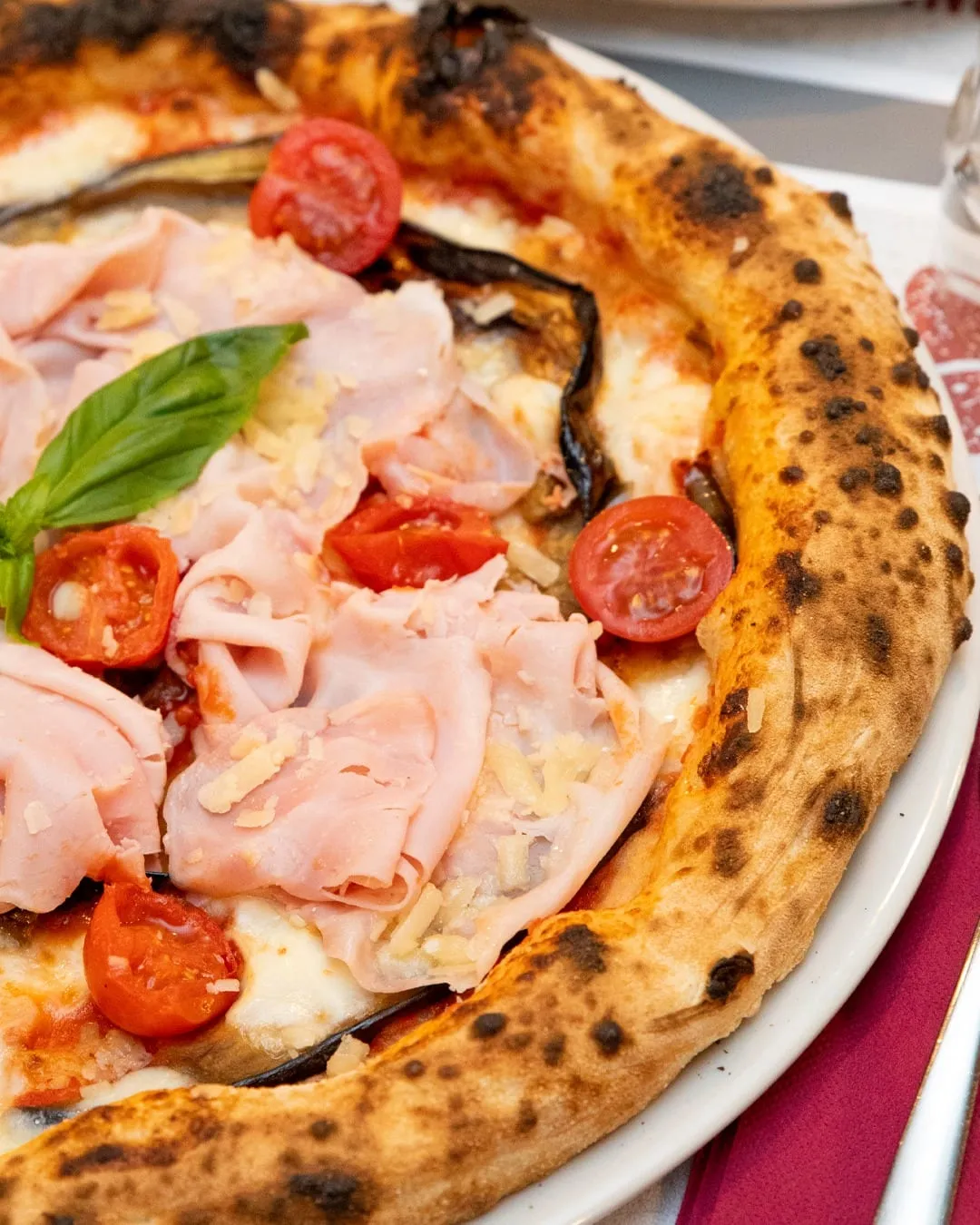
Catania's one entry in the national ranking's hundred, and it got there on Sicilian flour rather than by importing Naples wholesale. The house works local grains and still serves the cartwheel and the fried pizza, which is a harder thing to do than either orthodoxy alone.
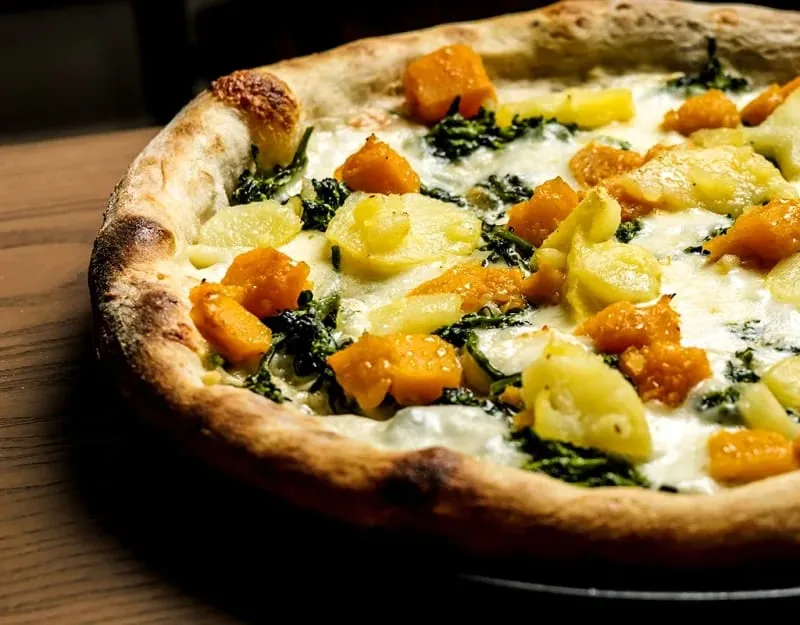
A Catania pizzeria that treats the flour as the decision. Nine cereals and a 48-hour rise is a deliberate move away from the single 00 that the Neapolitan rulebook assumes, made in a city whose own pizza is a semola one.
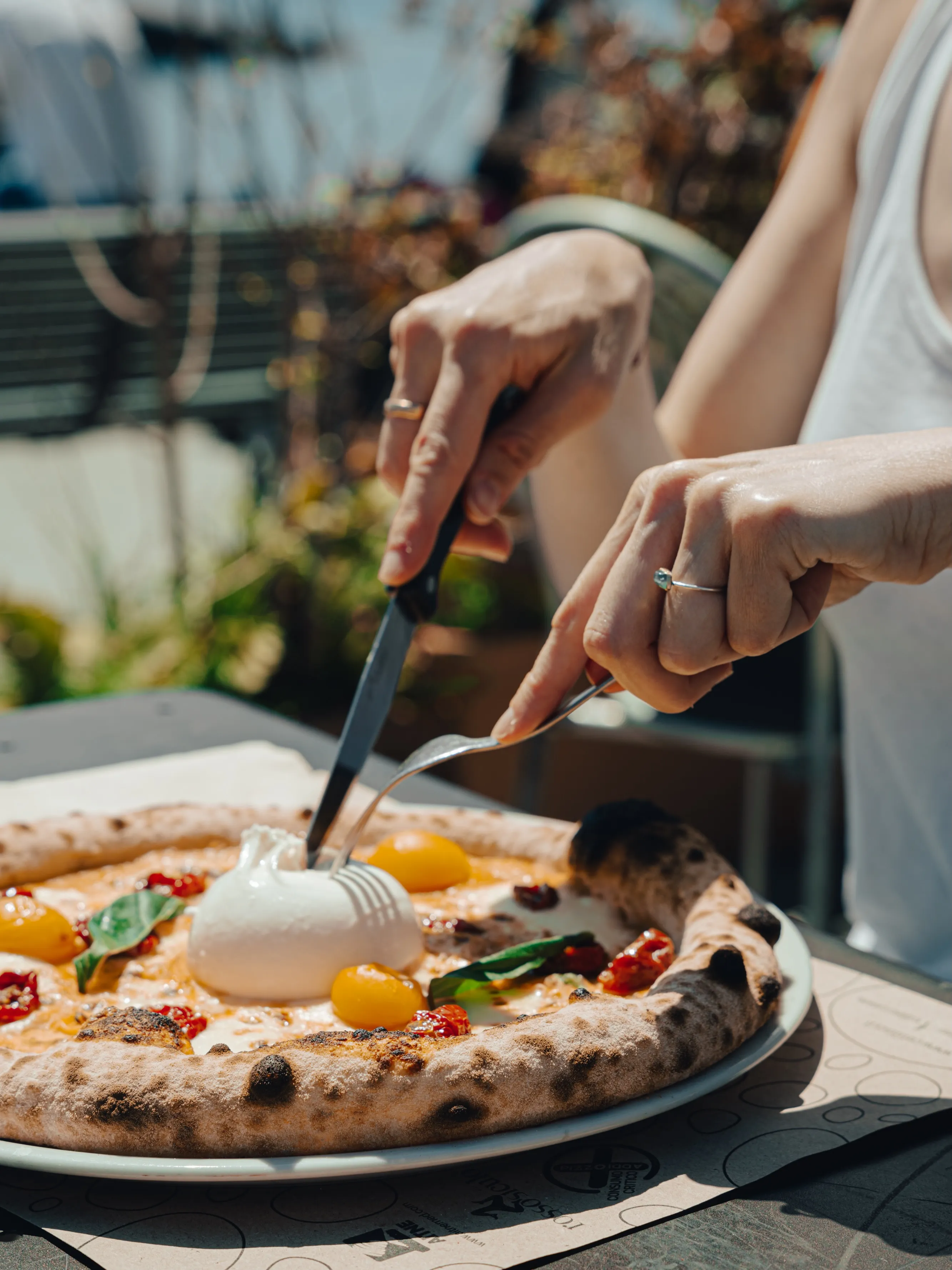
Catania's clearest attempt at a Sicilian answer to Neapolitan technique: a mother yeast, island ancient grains and a long rest, in a fish restaurant on the harbour rather than a pizzeria. It is also the city's most instructive record, because the one published tasting of it is unkind and the later account is not, and a guide that only carries the second is not reporting.
Verified 2026-10-26
Research notes
City boundary
The comune di Catania, within the Città metropolitana di Catania, which holds fifty-eight comuni in all. Acireale is not Catania and does not even border it — the pizzeria most often named as the city's best is there. Zafferana Etnea is not Catania either, and is where the fried siciliana is documented as having been invented. Also separate: Misterbianco, Aci Castello, San Giovanni la Punta, Gravina di Catania and Mascalucia.