Amsterdam has one pizzeria milling local wheat into its dough. Is that a scene or a single good idea?
Netherlands · 5 spots selected · last checked 2026-09-19
Amsterdam has one genuine finding and it should not be inflated into five. nNea states on its own site that its dough blends Italian flour with Dutch Emmer and Einkorn wheat — local grain worked into an imported form, the same move Copenhagen makes across two houses. No other Amsterdam candidate shows anything comparable, and Sugo's flour is explicitly Italian-imported.
The rest of the field is competent and Italian in lineage. That is the accurate description and this record does not reach past it. One house doing something locally rooted is a lead worth following rather than a culture, and the difference matters to a guide whose whole argument is that those two things score differently.
Sugo's own site is behind a bot challenge that refuses every tool available here, so its dough and oven detail is queued rather than guessed. The record stands on what was actually read.
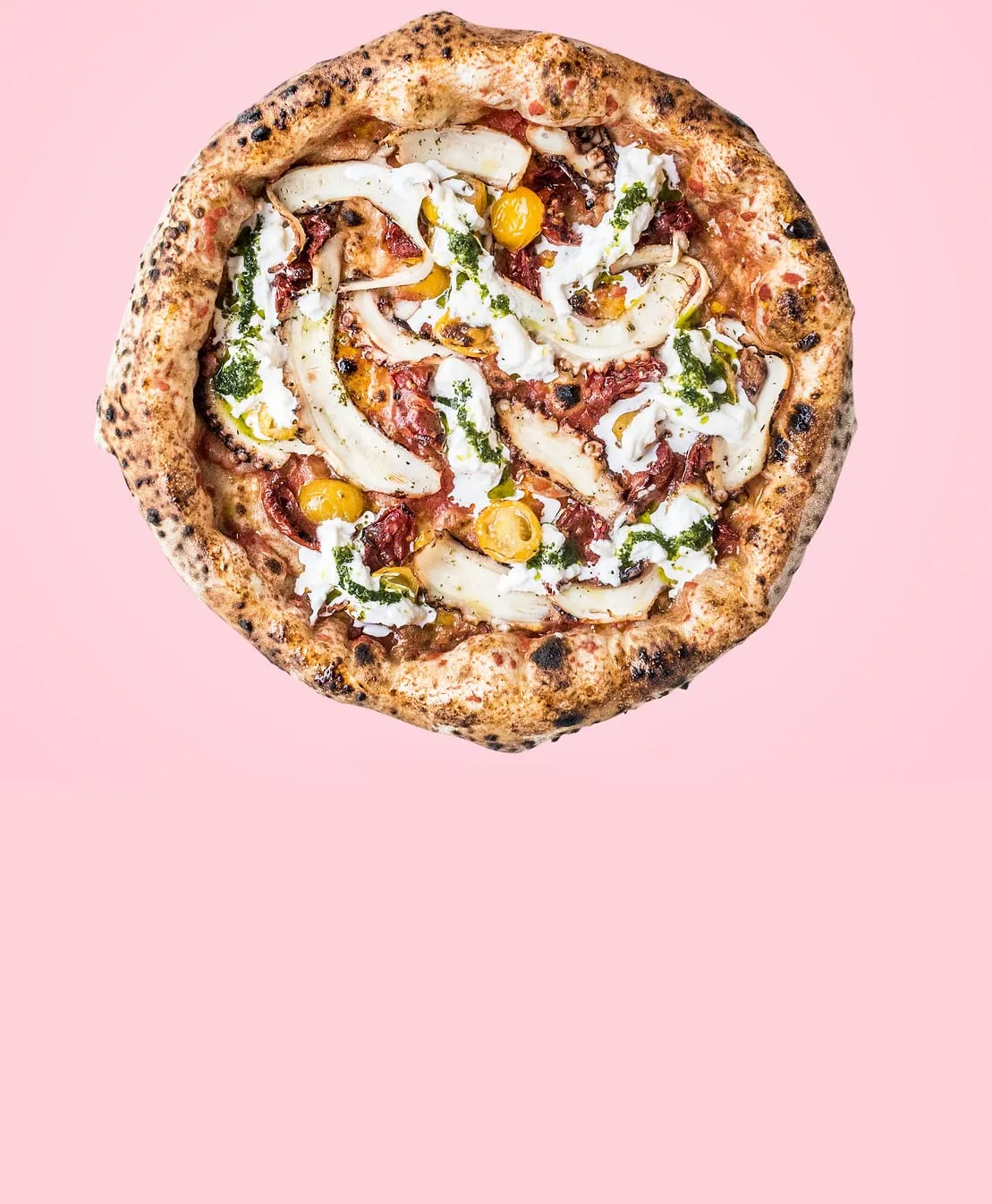
nNea's own account of its dough is the clearest local-grain finding of the Amsterdam set: the house blend mixes Italian flour from Molino Denti with local Dutch Emmer (Triticum dicoccum) and Einkorn (Triticum monococcum), a deliberate bridge between southern Italy and the Netherlands rather than an imported recipe reproduced unchanged. Chef Vincenzo Onnembo, who placed among the last ten in the Pizza UNESCO competition, has run the wood-fired oven since the pizzeria opened on Bilderdijkstraat in 2019.
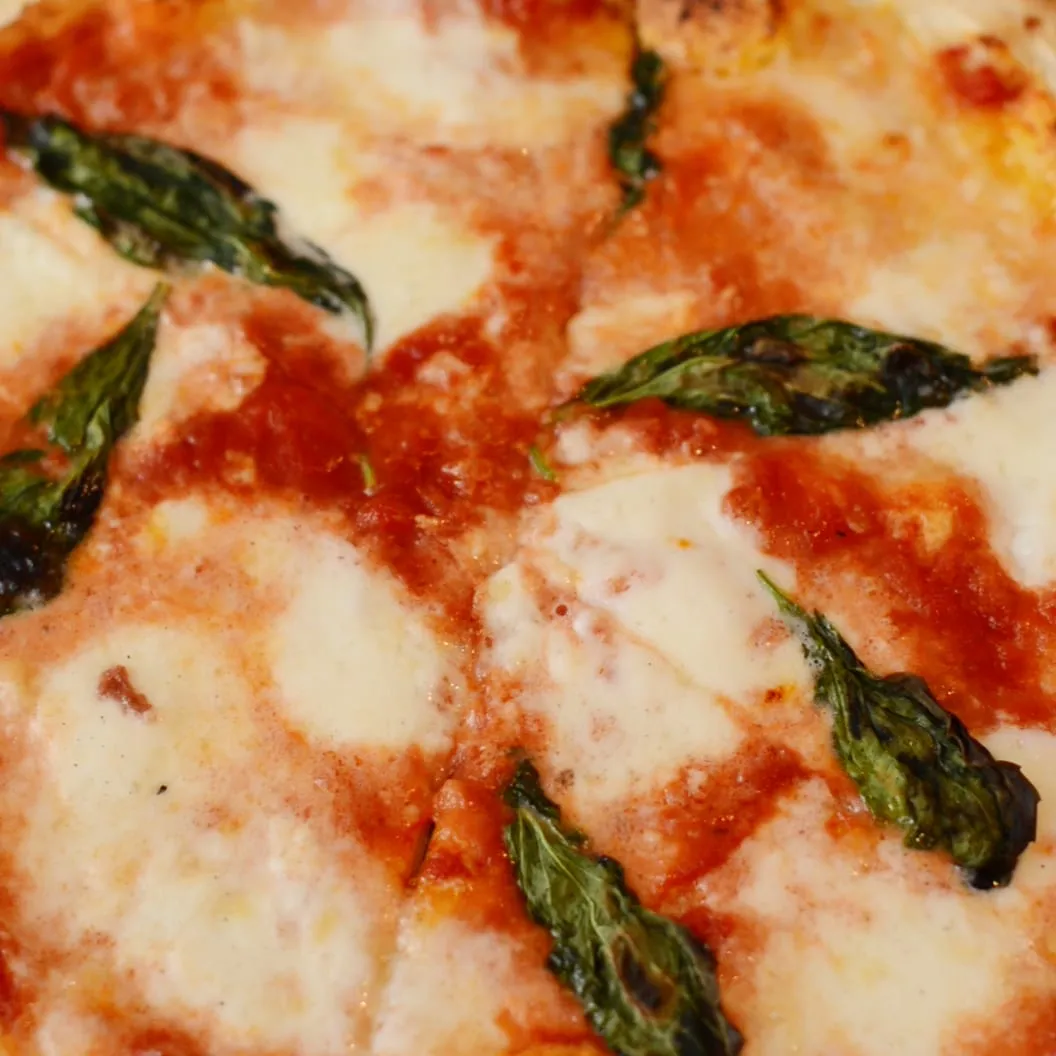
La Perla is the only pizza-maker on the Jordaan street known locally as Little Italy, working a large wood-fired brick oven and importing DOP buffalo mozzarella made by the Chiari family in the Naples area -- named, checkable provenance rather than a generic import claim. No source found in this run names the pizzaiolo or describes the dough itself, so the record rests on the oven and the ingredient sourcing rather than a fermentation claim.
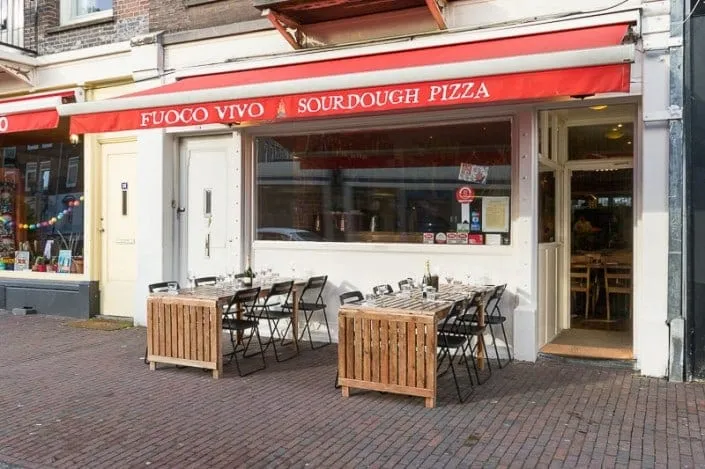
Fuoco Vivo names its production method in specific, checkable terms rather than general claims: double zero (00) flour, San Marzano tomatoes, and a wood oven built brick by brick with volcanic earth from Naples by an Italian company it says has handed the craft down for three generations. The dough is mixed on site on a mechanical-arm mixer the business dates to a 1969-or-earlier build, restored in 2009 -- a detail specific enough to check even without a named pizzaiolo.
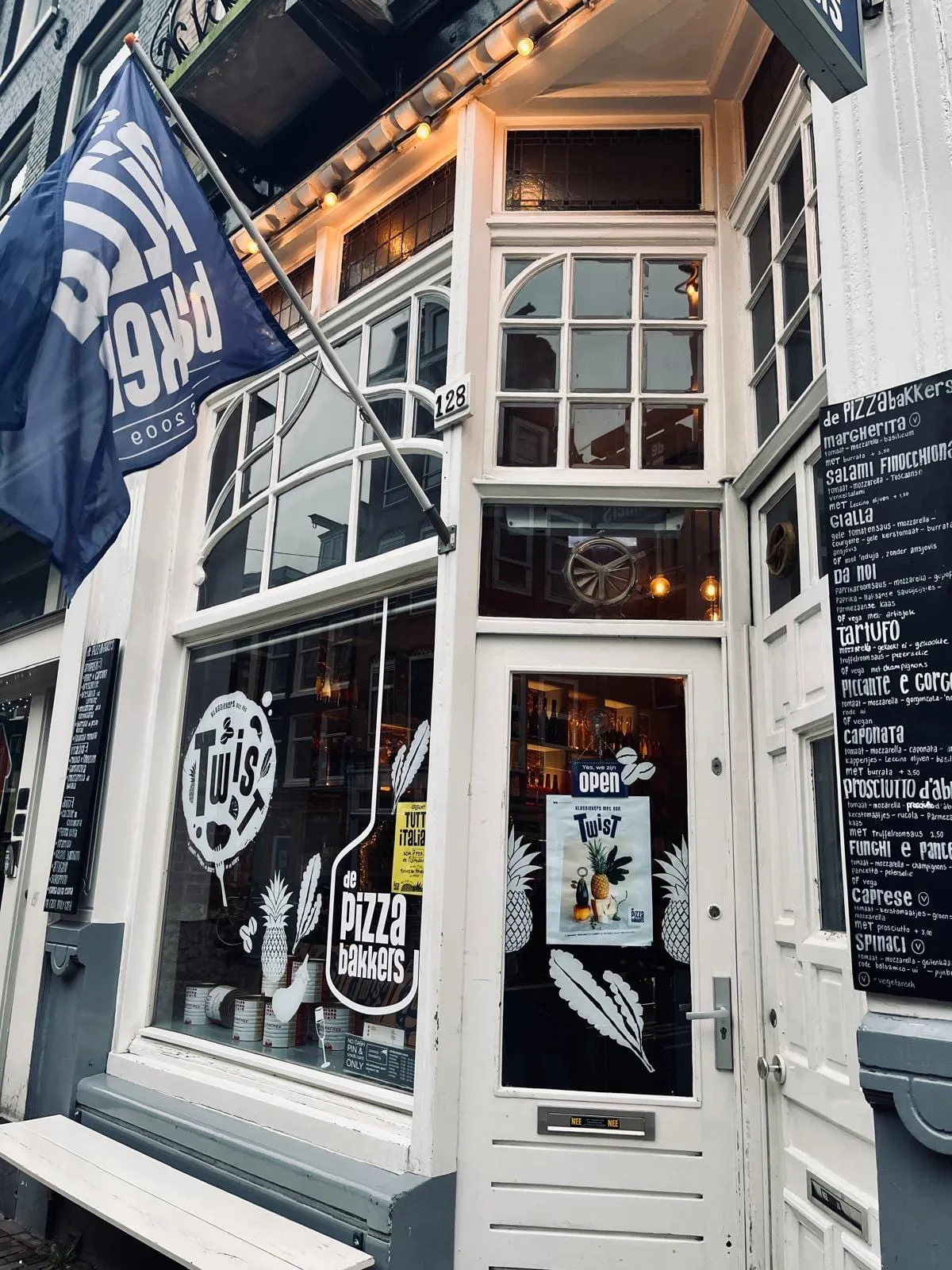
De Pizzabakkers began as a single neighbourhood restaurant on Haarlemmerdijk in 2009, founded by two couples -- Margreet Leguijt and Anthony de Vries with their friends Siang-Lan Go and Dmitri Schokker -- who set out, in their own account, because they could not find a genuinely good wood-oven pizza in Amsterdam. It grew into a national franchise from 2016, now over thirty locations, built around what the founders call Roman pizza: thin, crisp bases baked in real Italian wood ovens. The Haarlemmerdijk restaurant is the original location and remains inside the city's boundary.
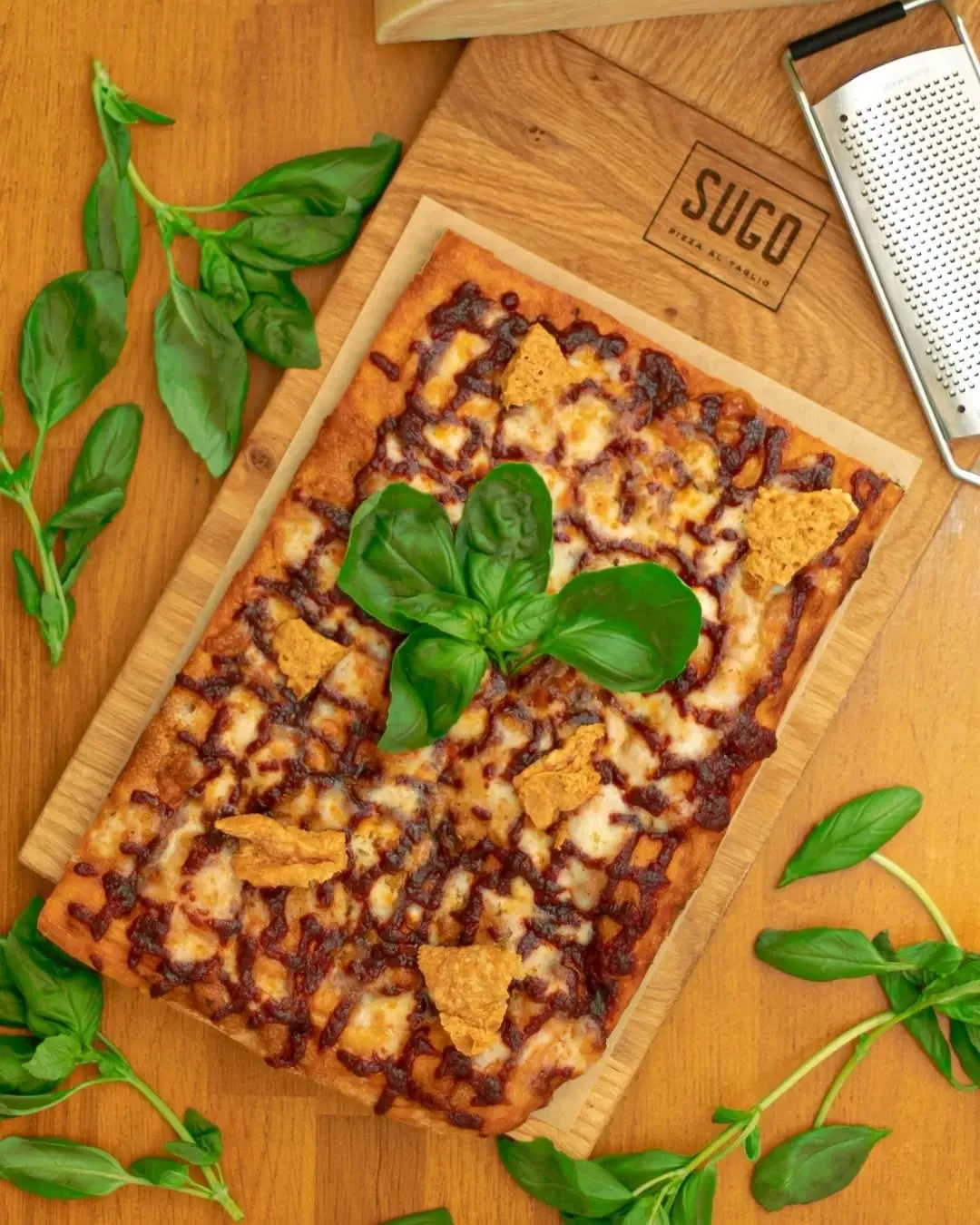
Sugo sells pizza al taglio -- baked on large rectangular trays and cut to order -- in De Pijp, made by hand daily with flour the business says is imported from Italy specifically for its protein content, to keep the base light rather than dense. Joep Noordhoek, described as a supporter of the shop from its earliest days, took over the business in April 2023 and reopened it as a neighbourhood spot in the area he grew up in.